Before we start, I want to qualify my words. This article is just a personal reflection, sparked by conversations I had with a few good friends of mine, to whom I am very grateful. It is not meant to convince anyone, nor to make a dogmatic or political stance, just my two cents for what they are worth.
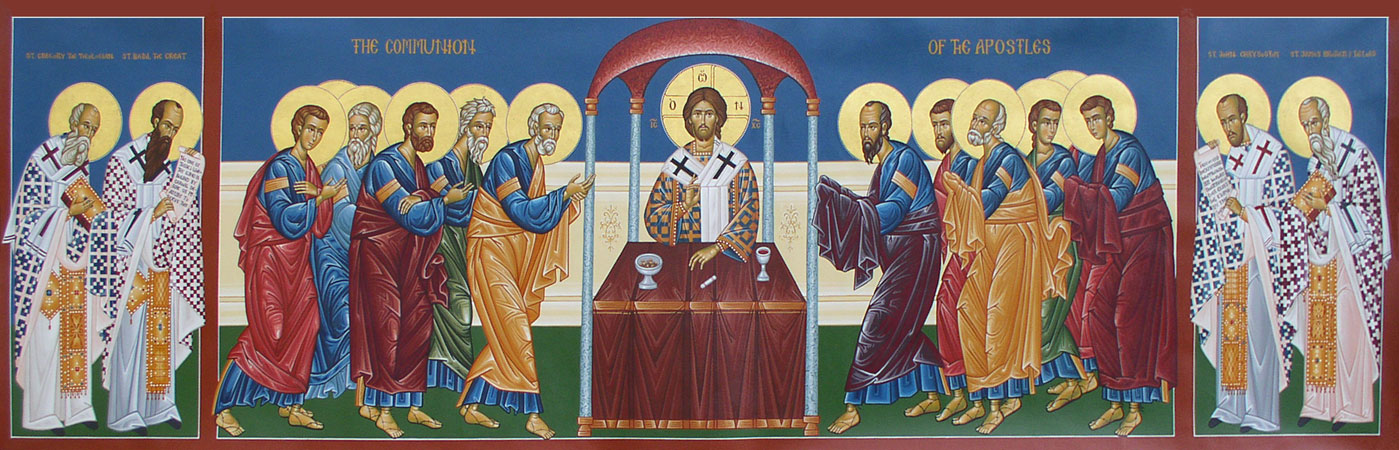
The pandemic that has engulfed the world in its tiny viral claws has ignited a very vivid discussion in the Orthodox Church, regarding the way we distribute Holy Communion. As scientists, secular governments are attempting, in some places, to impose a change to our centuries old tradition of distributing the Body and Blood of Christ with a silver spoon, the Church is also trying to give a good response to this… Continue reading
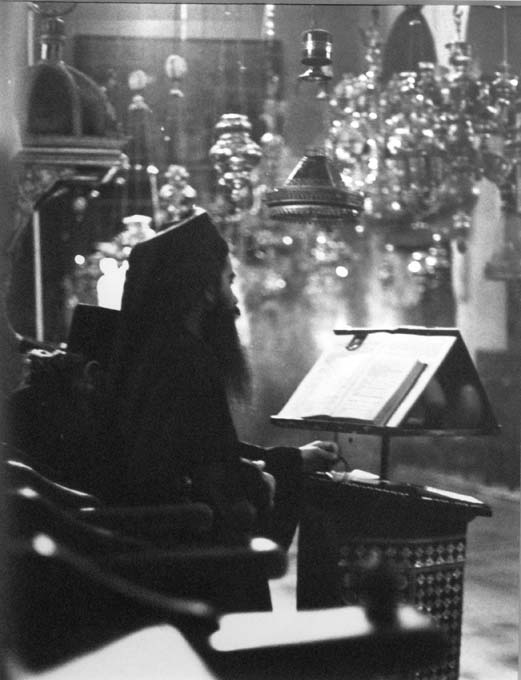
 The Seven-Day Commemoration In The Orthodox Church “The Week: A Seven Day Holiday”. The Greek Orthodox ecclesiastical year (Indiction), begins in September, and is marked with events and holidays of our religious history. In addition to the annual cycle, the seven-day week…
 1. Who are the faithful?
 1. What are the catechumens?
 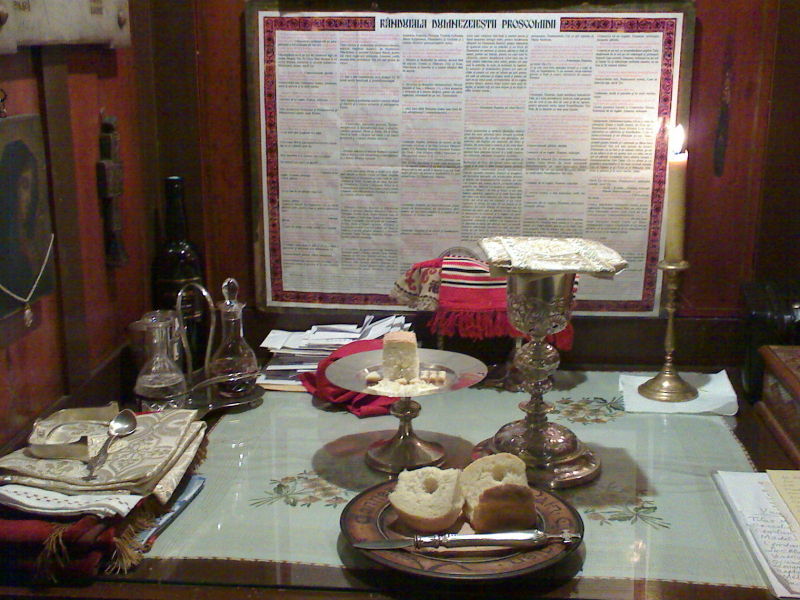 1. What is the Proskomidi?
 1. What is the meaning of the word Liturgy?
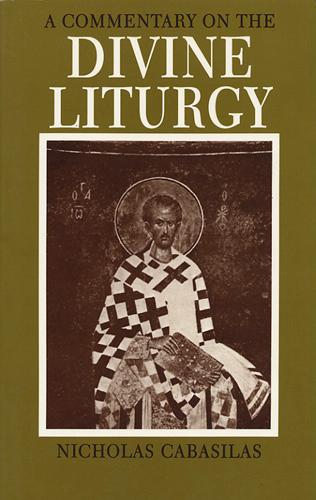 Nicholas Cabasilas